If you are thinking about selling in Mount Prospect, your first showing may matter more than anything that happens after it. In a market where homes are still drawing attention, buyers move fast when a home feels well cared for and hesitate when it does not. The good news is that you do not need perfect finishes or a huge renovation budget to make a strong impression. You need a clear plan, smart priorities, and a launch that feels polished from day one. Let’s dive in.
Why preparation matters in Mount Prospect
Mount Prospect remains competitive, but that does not mean every home sells the same way. Recent market data shows a median sale price around $465,721 over the three months ending May 2026, with about two offers per home and roughly 45 days on market. Zillow also reported a typical home value of $446,946 and a median seven days to pending as of May 31, 2026.
What that means for you is simple. Buyers are active, but condition, pricing, and presentation still shape how quickly your home sells and what kind of terms you get. A clean, well-prepared home can create confidence early, while a home with visible issues may lose momentum in the most important window.
That early window matters a lot. Redfin notes that homes tend to sell fastest and for the most money between late March and April, and Realtor.com says the first four weeks on market are often make or break. In other words, it is usually better to launch fully prepared than to rush out half ready.
Start with a walk-through plan
Before you paint, stage, or start spending money, take a hard look at the home the way a buyer would. A pre-list walk-through or inspection can help you spot problems that may hurt first impressions or create issues later during the transaction.
This step is especially helpful if your home is older or if you have lived there for many years. Small issues often blend into the background when you see them every day. Buyers do not have that same familiarity, so details like worn finishes, noisy doors, cracked glass, or loose handrails can stand out right away.
A simple plan at this stage should answer three questions:
- What needs repair now?
- What should be refreshed for appearance?
- What can be left alone without hurting marketability?
Triage repairs before cosmetic updates
Not every fix has the same value. In most cases, visible maintenance issues should come first because they can make buyers wonder what else has been neglected.
Focus first on deferred maintenance items such as:
- Leaks
- Missing handrails
- Cracked glass
- Worn carpet
- Doors that stick or squeak loudly
- Obvious damage to walls, trim, or flooring
These issues matter beyond buyer psychology. Fannie Mae says appraisers must report adverse conditions, needed repairs, and deferred maintenance. Even when a property can still be appraised as-is, visible neglect can weaken the overall condition story and make the home feel riskier to a buyer.
That does not mean you need to fix every tiny imperfection. It means your goal is to remove the objections that create doubt. A home that feels maintained usually performs better than one that feels unfinished.
Use cosmetic updates strategically
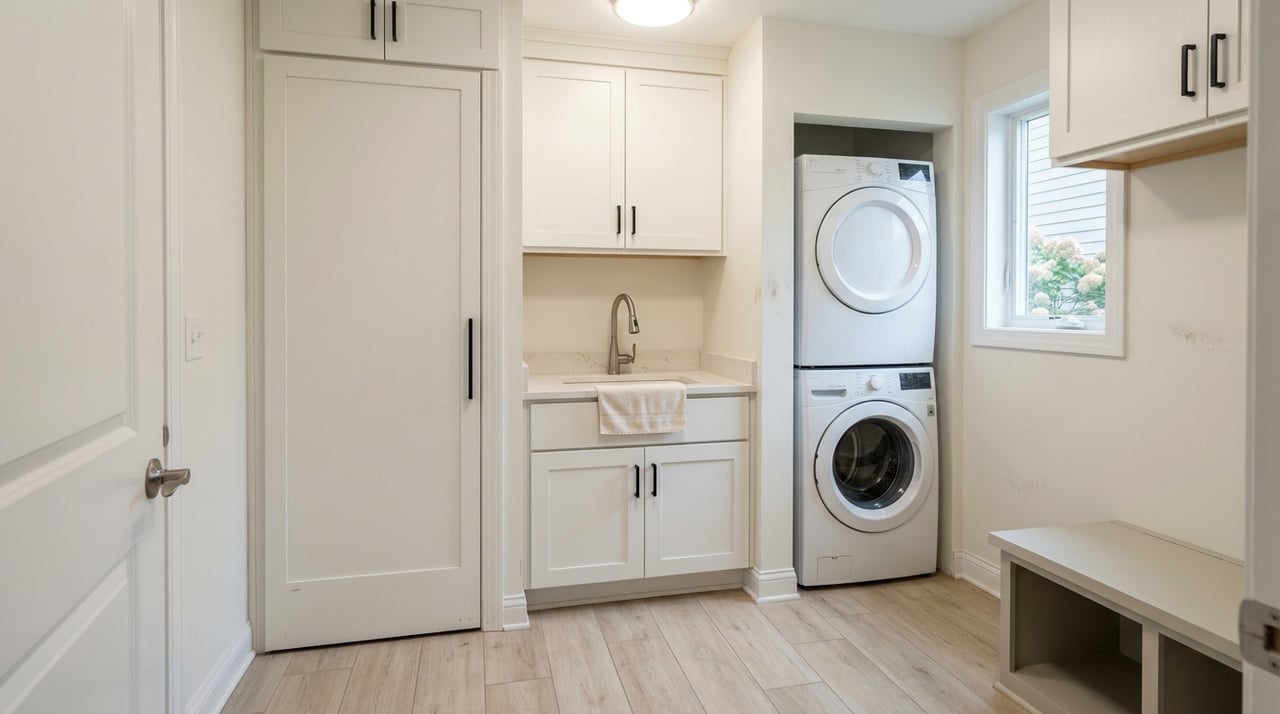
Once repairs are handled, move to cosmetic improvements that make the home feel clean, bright, and move-in ready. According to Redfin, interior painting is one of the most common pre-list updates, followed by decluttering and landscaping.
For many Mount Prospect sellers, the best cosmetic improvements are also the simplest. Fresh neutral paint, better lighting, and a more open feel can change how buyers experience the space without forcing you into a major remodel.
Good cosmetic priorities often include:
- Neutral interior paint where walls look dated or heavily personalized
- Deep cleaning from top to bottom
- Decluttering shelves, counters, and closets
- Replacing burnt-out or dim light bulbs
- Touching up trim and doors
- Simplifying decor so rooms feel larger and easier to understand
The goal is not to make your home look generic. The goal is to help buyers focus on the space itself instead of your stuff, your maintenance backlog, or the work they think they will need to do.
Do not overlook curb appeal
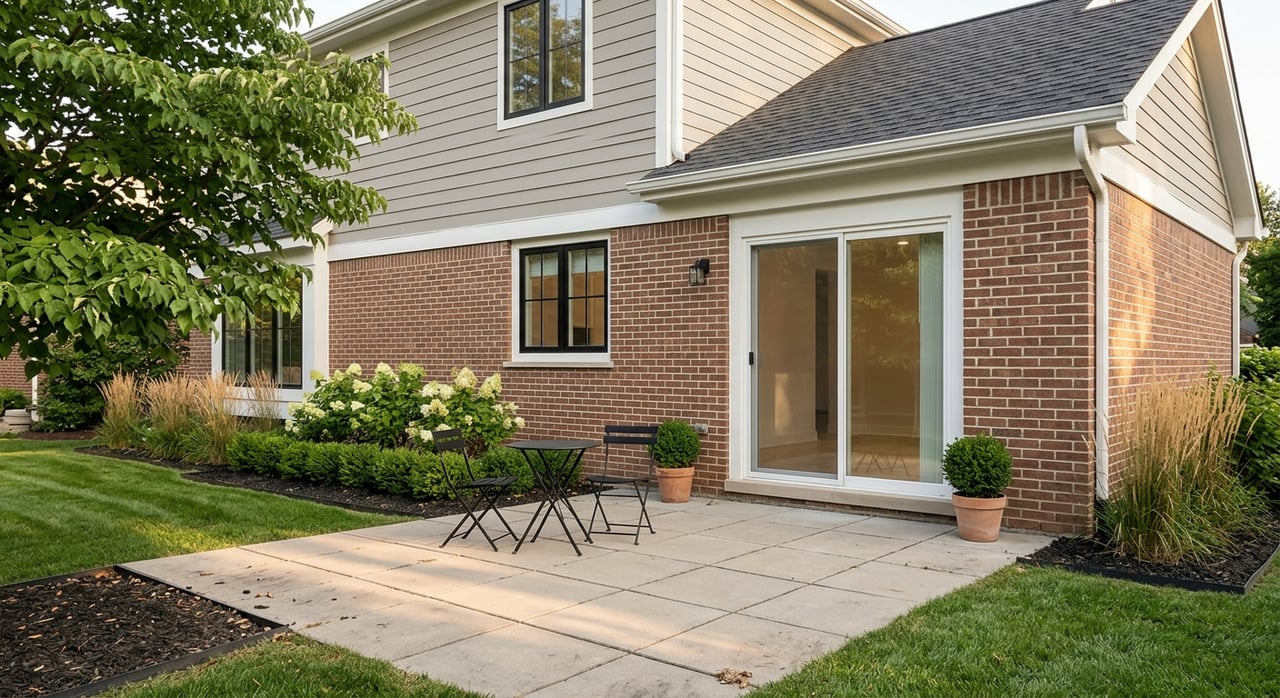
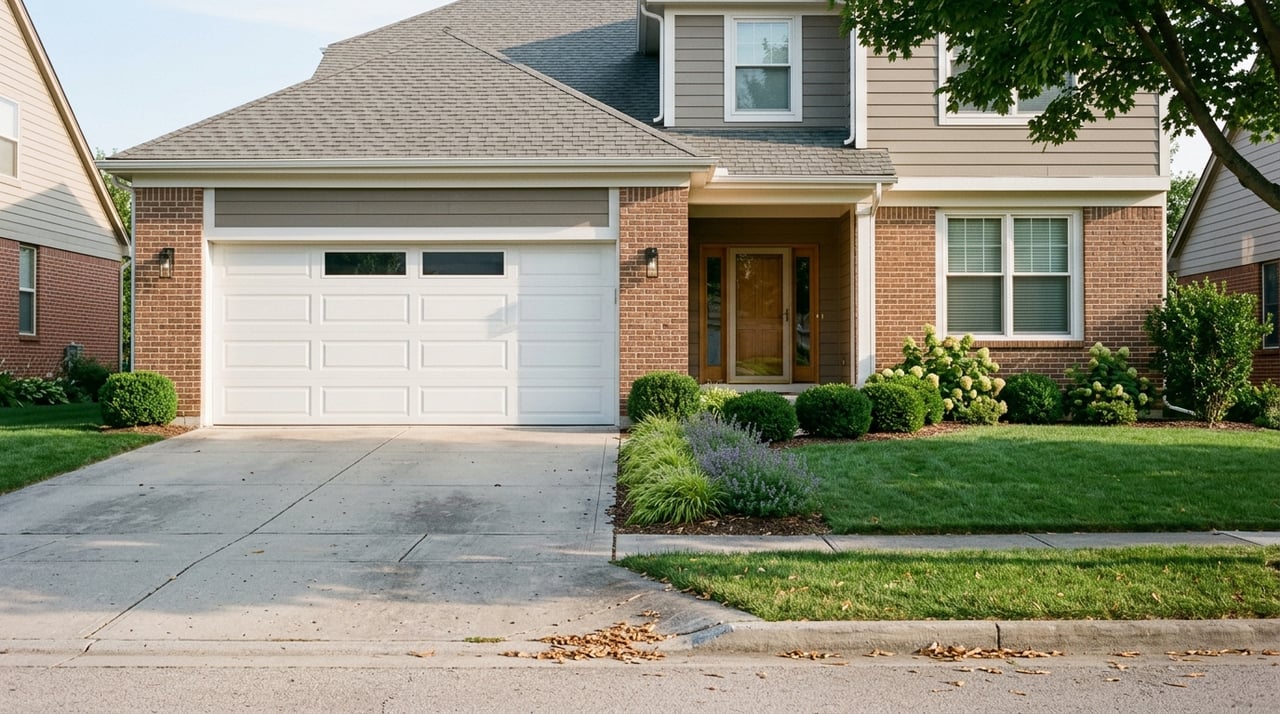
Buyers start forming an opinion before they ever walk through the front door. That is why curb appeal is one of the most practical places to spend time before listing.
Redfin points to simple exterior tasks like power washing, mowing, gutter cleaning, and adding fresh mulch as affordable ways to improve first impressions. That advice lines up with broader industry data showing curb appeal plays a major role in attracting buyer interest.
You do not need a major landscape redesign. In most cases, you just want the exterior to look cared for, clean, and easy to maintain.
A solid curb appeal checklist includes:
- Mow and edge the lawn
- Trim overgrown shrubs
- Remove weeds and dead plants
- Add fresh mulch where needed
- Clean gutters
- Power wash siding, walks, and stoops if needed
- Sweep the porch and entry
- Make sure the front door and hardware look clean and functional
These details help buyers feel that the home has been maintained over time. That emotional signal matters.
Stage the rooms that count most
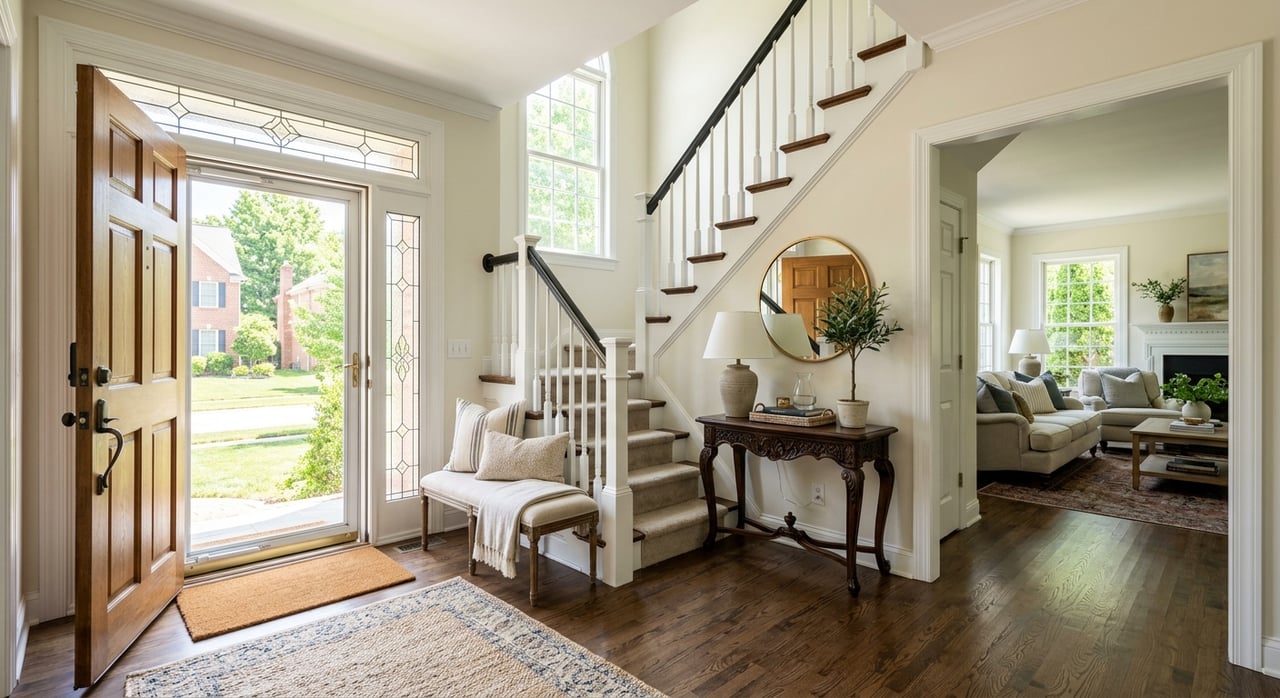
Staging is not about filling your house with expensive furniture. It is about helping buyers understand scale, function, and flow.
National staging data shows staging helps buyers picture the property as their future home, and many sellers’ agents report that it can reduce time on market. The rooms most often prioritized are the living room, primary bedroom, kitchen, dining room, and outdoor spaces.
If you are trying to stage efficiently, start there. You do not need every room to look magazine-ready. You need the key spaces to feel bright, comfortable, and easy to imagine using every day.
As you prepare, pay close attention to common buyer turn-offs that have nothing to do with square footage:
- Odors
- Poor lighting
- Distracting noise
- Cluttered layouts
- Awkward furniture placement
These sensory details can quietly push buyers away. A clean-smelling, well-lit home often feels more valuable because it feels easier to live in.
Think about photos before you list
Your online presentation sets the tone for every showing that follows. That means your prep work should be finished before photos are taken, not after.
If buyers see clutter, weak lighting, or an unkempt exterior in the listing photos, many will move on before they ever schedule a visit. In a competitive market, that lost attention can be hard to recover.
Before photo day, make sure you have:
- Cleared counters and surfaces
- Opened blinds and curtains where appropriate
- Replaced dim bulbs
- Hidden cords, bins, and pet items
- Cleaned windows and mirrors
- Finished exterior cleanup
This is one reason preparation matters so much. The first impression does not begin at the showing. It begins the moment your home hits the market.
Watch for older-home compliance issues
Mount Prospect has a mix of older and newer housing, and the Village’s 2025 to 2029 Consolidated Plan notes that much of the local housing stock was built before 1978. If your home falls into that category, pre-list work may require extra care.
For homes built before 1978, paid renovation, repair, or painting work that disturbs painted surfaces must follow lead-safe rules, and the firms or workers doing that work must be certified or trained as required. That makes projects like window repair, trim work, or paint prep more than a cosmetic decision.
If you are planning updates, make sure the work is handled correctly. This is one of those areas where compliance and timing matter just as much as appearance.
Check permit needs before bigger projects
If you are only cleaning, painting, and doing light touch-ups, the process is usually straightforward. But if you are planning larger updates before listing, check Village requirements before work begins.
Mount Prospect’s permit categories include projects such as roofs, fences, decks, kitchens, HVAC, and flatwork. If your pre-sale plan includes a larger repair or replacement, build permit review into your timeline so you do not create delays right before launch.
This matters because some sellers lose valuable market time by starting projects too late. A smaller, finished scope is often better than a larger project that drags into your ideal listing window.
Prepare disclosures early
Selling with confidence also means getting ahead of paperwork. In Illinois, the Residential Real Property Disclosure Act requires the seller to provide the disclosure report before the contract is signed.
Illinois also requires radon-related disclosures before the buyer is obligated under contract, including the required pamphlet and disclosure. If your Mount Prospect home was built before 1978, lead-paint disclosure requirements may also apply.
Handling these items early helps reduce stress later. It also supports a smoother transaction once serious buyers start moving forward.
Build closing tasks into your timeline
Many sellers focus on getting listed and forget that closing logistics need planning too. In Mount Prospect, the Village’s transfer-stamp process is one of those tasks that should not be left until the final days.
The Village states that real estate transfer stamps can be applied for online, and transactions with consideration must include the signed MyDec, P-TAX, or contract along with the Village form. In-person appointments are also encouraged.
This is not the glamorous part of selling, but it is part of being ready. A confident sale comes from managing the full process, not just preparing the house.
A smart Mount Prospect prep strategy
If you want the practical version, keep it simple. Repair visible issues first, refresh the finishes buyers notice most, improve curb appeal, stage the key rooms, and make sure pricing lines up with recent comparable sales.
In a market like Mount Prospect, that combination can help you make the most of your first month on the market. You do not need to chase perfection. You need a home that feels cared for, well positioned, and ready when serious buyers show up.
If you are not sure where to start, the right guidance can save you time, money, and guesswork. Jake kubota can help you create a prep plan, prioritize the right updates, and launch with a pricing and presentation strategy built for today’s Chicagoland market.
FAQs
What should you fix before selling a home in Mount Prospect?
- Focus first on visible maintenance issues like leaks, cracked glass, worn flooring, missing handrails, noisy doors, and anything else that suggests deferred maintenance.
Is it worth painting your Mount Prospect home before listing?
- Often, yes. Fresh neutral paint can improve first impressions, make rooms feel cleaner and brighter, and help buyers see the home as move-in ready.
How important is curb appeal when selling in Mount Prospect?
- Curb appeal is very important because buyers often form their first opinion before entering the home, and simple tasks like mowing, mulching, and power washing can make a noticeable difference.
Do older Mount Prospect homes need special care before renovations?
- Yes. If the home was built before 1978, paid work that disturbs painted surfaces may need to follow lead-safe requirements with properly certified or trained firms and workers.
Should you finish big projects before listing a Mount Prospect home?
- Only if the scope, timing, and permit needs make sense. In many cases, completing smaller high-impact work before launch is better than starting a large project that delays your listing.
What disclosures matter when selling a home in Illinois?
- Sellers generally need to provide the Illinois residential property disclosure before contract signing, and required radon disclosures must be delivered before the buyer is obligated under contract. Lead-paint disclosures may also apply to older homes.